TMAP parameter group: Contaminants in flounder (in CD). Gemeinsames Bund/Länder-Messprogramm für die Nordsee The trilateral Monitoring and Assessment Program was established in 1994 and contains 28 chemical, biological, geological and common parameter. Analyses enable an assessment on the trilateral agreed ecological targets. Results are published as Quality status report regularly. Investigations are done with regard to the following issues of concern primarily (Kellermann, A. et al. 1994): - Effects of climate change on the morphology, - Effects of pollutant inputs (nutrients and contaminants) on processes, species and communities, - Effects of fisheries on species and communities, - Effects of recreational activities on species, - Effects of agricultural utilization on salt marsh communities.
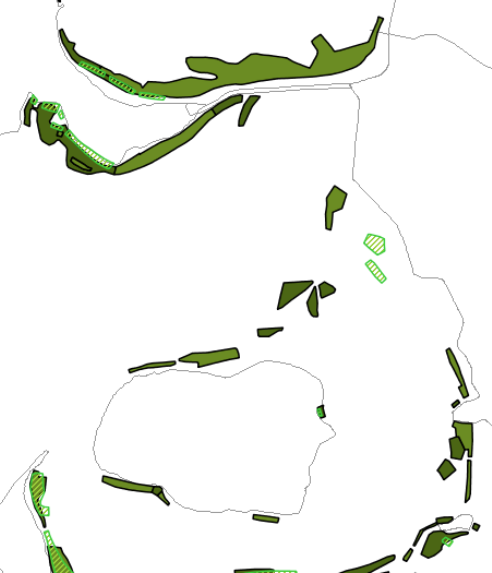
Diese Geodaten beinhalten folgende Eutrophierungsparameter ab 1994: max. Bedeckungsgrad von Seegras bzw. Grünalgen und sind relevant für den MSRL-Deskriptor 5 im Nationalpark Schleswig-Holsteinisches Wattenmeer.
Die Daten werden im Rahmen des trilateralen Makrophyten-Monitoring-Programmes (TMAP) mittels Flugzeugkartierungen erhoben. Dieser Datensatz gibt von den drei Kartierungen nur die Daten eines Fluges pro Jahr aus, bei dem der Bedeckungsgrad am höchsten war. Der Bedeckungsgrad wird in 2 Dichteklassen der geschlossenen Bestände angegeben. Die Identifizierung der Flächen ist erst ab ca. 20% Deckung möglich. Die Daten wurden auf Basis einzelner Shapes in einer Datenbank zusammengeführt. Aus den Jahren 1989 und 1990 liegen ähnliche, aber in der Klassifikation abweichende, Kartierungen im Rahmen der Ökosystemforschung Schleswig-Holsteinsches Wattenmeer vor.
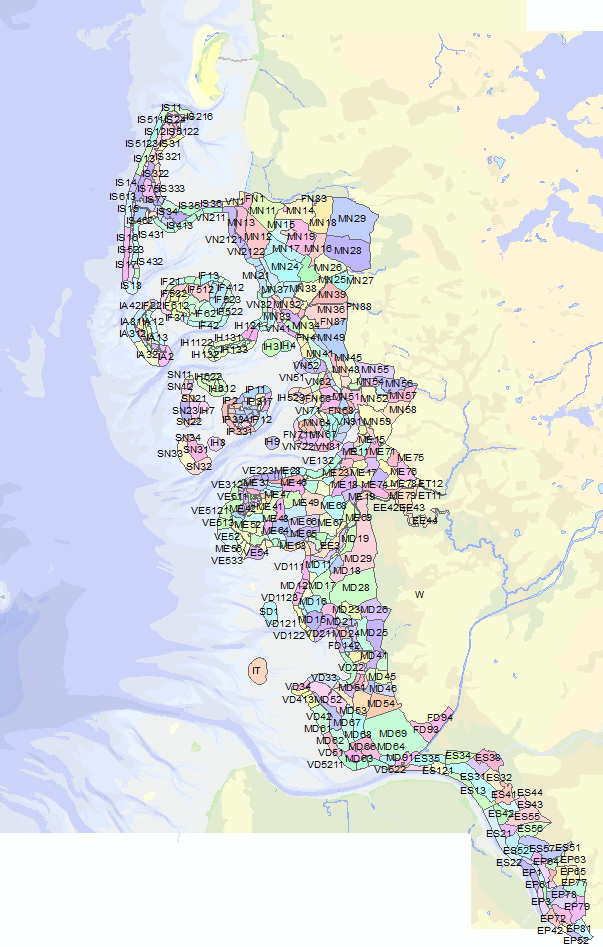
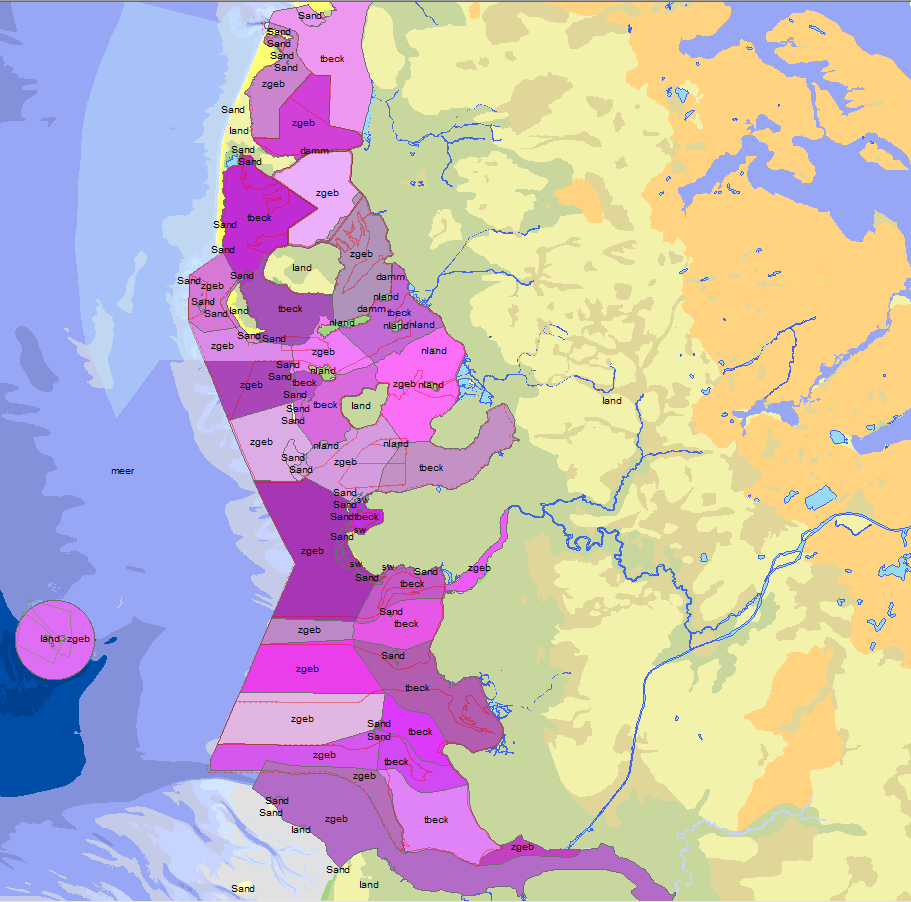
Übersichtskarte zum Schleswig-Holsteinisches Wattenmeer; Zählgebiete für Brut- und Rastvögel mit Flächenkategorien verschiedener Ordnung. Überarbeitung 11/2020
TMAP parameter group: Counts of birds washed ashore (BEAB). Data of the Beached-Birds-Survey The trilateral Monitoring and Assessment Program was established in 1994 and contains 28 chemical, biological, geological and common parameter. Analyses enable an assessment on the trilateral agreed ecological targets. Results are published as Quality status report regularly. Investigations are done with regard to the following issues of concern primarily (Kellermann, A. et al. 1994): - Effects of climate change on the morphology, - Effects of pollutant inputs (nutrients and contaminants) on processes, species and communities, - Effects of fisheries on species and communities, - Effects of recreational activities on species, - Effects of agricultural utilization on salt marsh communities.
TMAP parameter group: Counts of birds washed ashore (BEAB). Data of the Beached-Birds-Survey The trilateral Monitoring and Assessment Program was established in 1994 and contains 28 chemical, biological, geological and common parameter. Analyses enable an assessment on the trilateral agreed ecological targets. Results are published as Quality status report regularly. Investigations are done with regard to the following issues of concern primarily (Kellermann, A. et al. 1994): - Effects of climate change on the morphology, - Effects of pollutant inputs (nutrients and contaminants) on processes, species and communities, - Effects of fisheries on species and communities, - Effects of recreational activities on species, - Effects of agricultural utilization on salt marsh communities.
TMAP parameter group: Number of boats at sea (BTAS). Statistics about boats at sea The trilateral Monitoring and Assessment Program was established in 1994 and contains 28 chemical, biological, geological and common parameter. Analyses enable an assessment on the trilateral agreed ecological targets. Results are published as Quality status report regularly. Investigations are done with regard to the following issues of concern primarily (Kellermann, A. et al. 1994): - Effects of climate change on the morphology, - Effects of pollutant inputs (nutrients and contaminants) on processes, species and communities, - Effects of fisheries on species and communities, - Effects of recreational activities on species, - Effects of agricultural utilization on salt marsh communities.
TMAP parameter group: Contaminants in blue mussel (in CD). Gemeinsames Bund/Länder-Messprogramm für die Nordsee The trilateral Monitoring and Assessment Program was established in 1994 and contains 28 chemical, biological, geological and common parameter. Analyses enable an assessment on the trilateral agreed ecological targets. Results are published as Quality status report regularly. Investigations are done with regard to the following issues of concern primarily (Kellermann, A. et al. 1994): - Effects of climate change on the morphology, - Effects of pollutant inputs (nutrients and contaminants) on processes, species and communities, - Effects of fisheries on species and communities, - Effects of recreational activities on species, - Effects of agricultural utilization on salt marsh communities.
TMAP parameter group: Measurement of organic micro pollutants in sediment (in CD). Organic compounds contamination in sediment The trilateral Monitoring and Assessment Program was established in 1994 and contains 28 chemical, biological, geological and common parameter. Analyses enable an assessment on the trilateral agreed ecological targets. Results are published as Quality status report regularly. Investigations are done with regard to the following issues of concern primarily (Kellermann, A. et al. 1994): - Effects of climate change on the morphology, - Effects of pollutant inputs (nutrients and contaminants) on processes, species and communities, - Effects of fisheries on species and communities, - Effects of recreational activities on species, - Effects of agricultural utilization on salt marsh communities.
TMAP parameter group: Area and location, coverage and biomass of eelgrass (in GD). Eelgrass coverage The trilateral Monitoring and Assessment Program was established in 1994 and contains 28 chemical, biological, geological and common parameter. Analyses enable an assessment on the trilateral agreed ecological targets. Results are published as Quality status report regularly. Investigations are done with regard to the following issues of concern primarily (Kellermann, A. et al. 1994): - Effects of climate change on the morphology, - Effects of pollutant inputs (nutrients and contaminants) on processes, species and communities, - Effects of fisheries on species and communities, - Effects of recreational activities on species, - Effects of agricultural utilization on salt marsh communities.