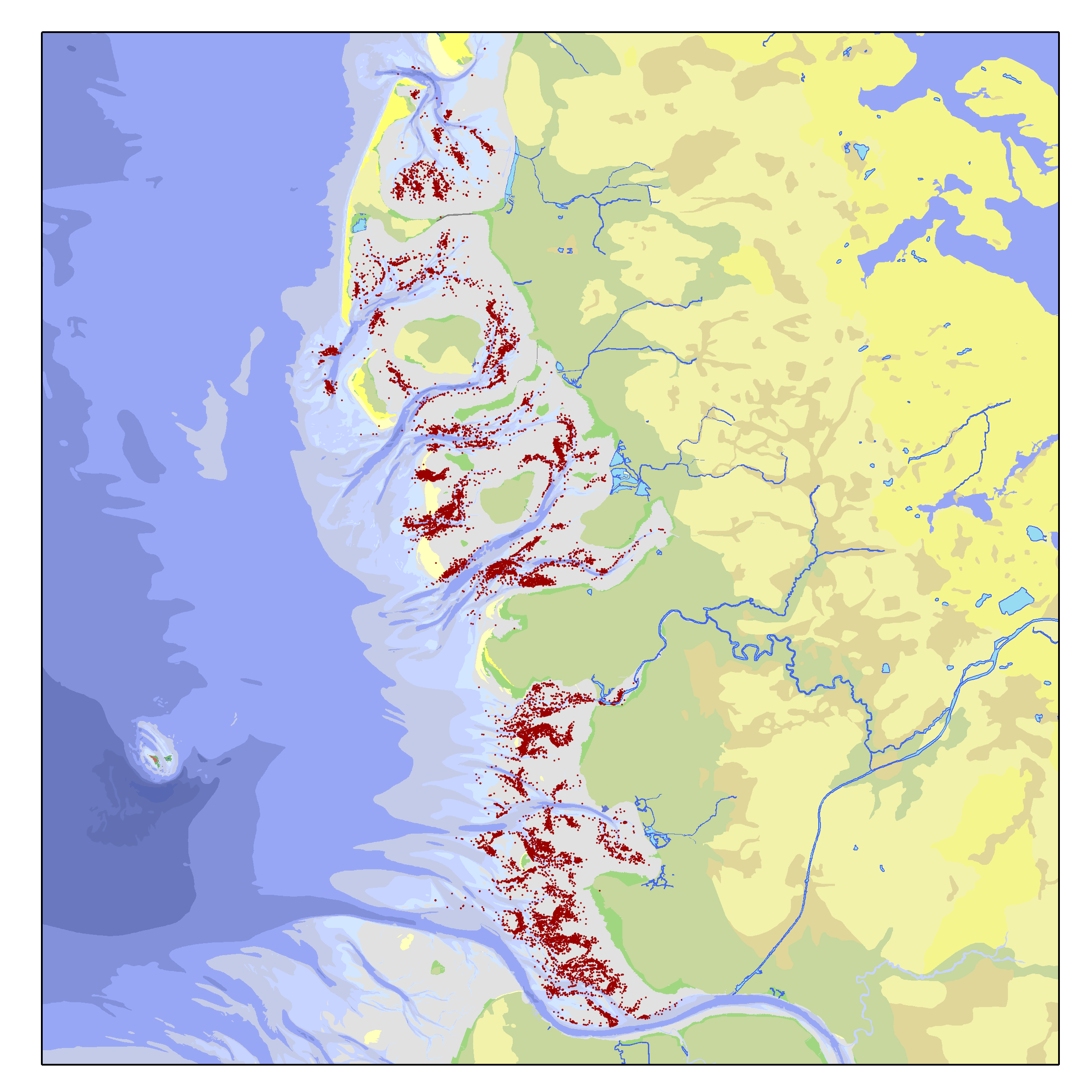
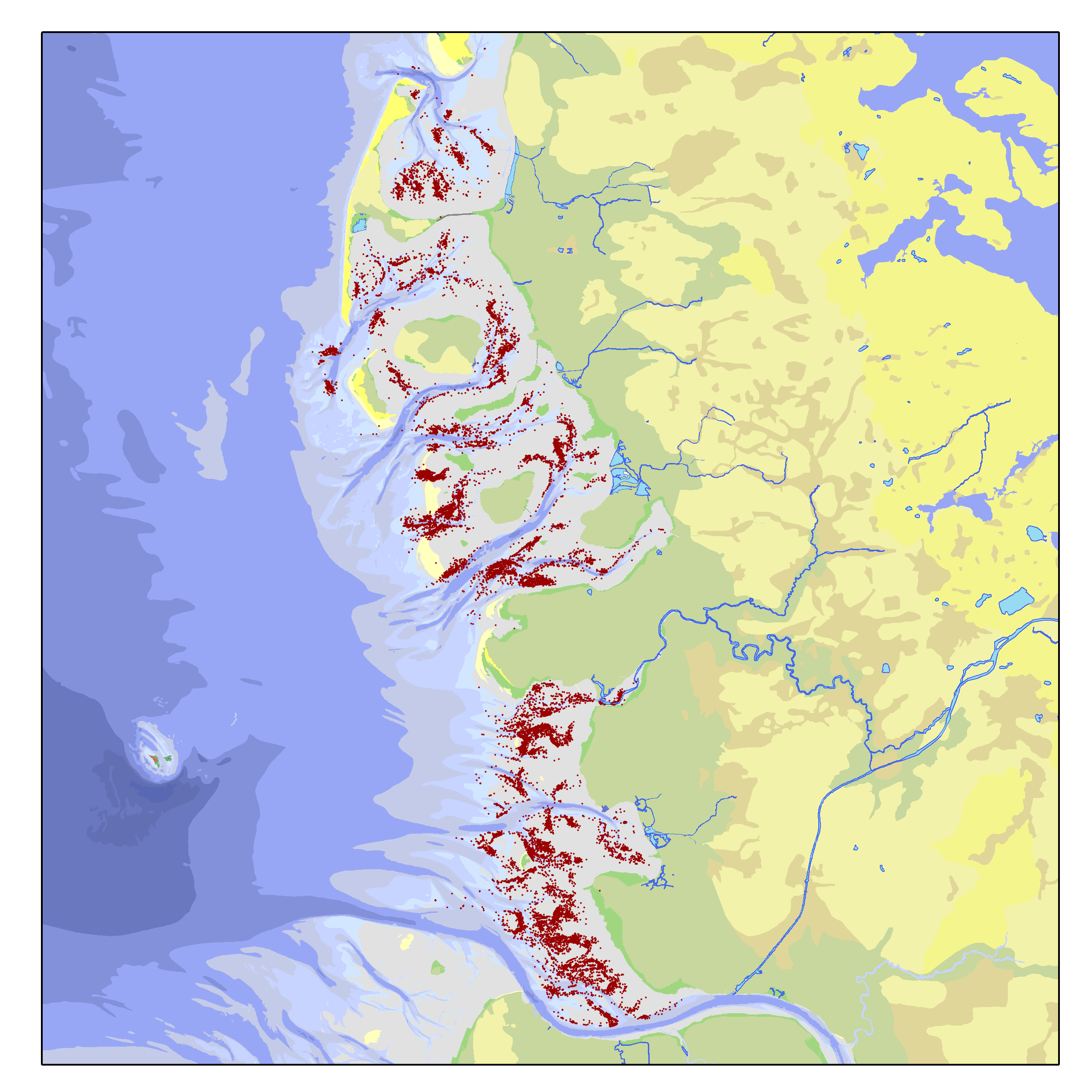
Diese ungefilterte aber geprüfte Datentabellle stellt alle ab 1989 verfügbaren Seehund und Kegelrobben-Daten aus Zählflügen im Bereich des Nationalparks Schleswig-Holsteinischen Wattenmeer zur Verfügung. Es handelt sich bei den Daten einerseits um Erfassungen die während der Seehund-Flüge in den Monaten Mai - Juli (Wurfzeit) und August - September (Haarwechselzeit) durchgeführt werden, andererseits aber auch um Daten, die während der Kegelrobben-Flüge in den Monaten November - April erfasst wurden. Da es sich um eine UIG entsprechende vollständige Weitergabe der aufbereiteten Rohdaten handelt, wurde keine methodische oder biologische Filterung der Daten vorgenommen. Daher sind die Daten für eine Bestandsberechnung nur nach ansprechender Filterung möglich.
Dieser Downloaddienst stellt alle ab 1989 verfügbaren Seehund- und Kegelrobben-Daten aus Zählflügen im Bereich des Nationalparks Schleswig-Holsteinischen Wattenmeer zur Verfügung. Es handelt sich bei den Daten einerseits um Erfassungen die während der Seehund-Flüge in den Monaten Mai - Juli (Wurfzeit) und August - September (Haarwechselzeit) durchgeführt wurden, andererseits aber auch um Daten, die während der Kegelrobben-Flüge in den Monaten November - April erfasst wurden. Da es sich um eine UIG entsprechende vollständige Weitergabe der aufbereiteten Rohdaten handelt, wurde keine methodische oder biologische Filterung der Daten vorgenommen. Das bedeutete beispielsweise, dass zufällige Kegelrobben-sichtungen während der Seehund-Zählungen zwar mit erfasst wurden, aber nicht als standardisierte Methode zur Bestimmung der Bestände gelten dürfen.
TMAP parameter group: Counts of migratory birds (MIGB). Counts of Migratory Birds in the Wadden Sea The trilateral Monitoring and Assessment Program was established in 1994 and contains 28 chemical, biological, geological and common parameter. Analyses enable an assessment on the trilateral agreed ecological targets. Results are published as Quality status report regularly. Investigations are done with regard to the following issues of concern primarily (Kellermann, A. et al. 1994): - Effects of climate change on the morphology, - Effects of pollutant inputs (nutrients and contaminants) on processes, species and communities, - Effects of fisheries on species and communities, - Effects of recreational activities on species, - Effects of agricultural utilization on salt marsh communities.
TMAP parameter group: Measurement of inorganic nutrients in water (in CD). Nutrients in water The trilateral Monitoring and Assessment Program was established in 1994 and contains 28 chemical, biological, geological and common parameter. Analyses enable an assessment on the trilateral agreed ecological targets. Results are published as Quality status report regularly. Investigations are done with regard to the following issues of concern primarily (Kellermann, A. et al. 1994): - Effects of climate change on the morphology, - Effects of pollutant inputs (nutrients and contaminants) on processes, species and communities, - Effects of fisheries on species and communities, - Effects of recreational activities on species, - Effects of agricultural utilization on salt marsh communities.
TMAP parameter group: Area and location, zones, drainage and agricultural utilization of salt marshes (in GD). Salt marshes The trilateral Monitoring and Assessment Program was established in 1994 and contains 28 chemical, biological, geological and common parameter. Analyses enable an assessment on the trilateral agreed ecological targets. Results are published as Quality status report regularly. Investigations are done with regard to the following issues of concern primarily (Kellermann, A. et al. 1994): - Effects of climate change on the morphology, - Effects of pollutant inputs (nutrients and contaminants) on processes, species and communities, - Effects of fisheries on species and communities, - Effects of recreational activities on species, - Effects of agricultural utilization on salt marsh communities.
TMAP parameter group: TBT in sediment (in CD). TBT contamination in sediment The trilateral Monitoring and Assessment Program was established in 1994 and contains 28 chemical, biological, geological and common parameter. Analyses enable an assessment on the trilateral agreed ecological targets. Results are published as Quality status report regularly. Investigations are done with regard to the following issues of concern primarily (Kellermann, A. et al. 1994): - Effects of climate change on the morphology, - Effects of pollutant inputs (nutrients and contaminants) on processes, species and communities, - Effects of fisheries on species and communities, - Effects of recreational activities on species, - Effects of agricultural utilization on salt marsh communities.
TMAP parameter group: Take offs and landings in the Wadden Sea Area (AIRT). Take offs and landings in the Wadden Sea Area The trilateral Monitoring and Assessment Program was established in 1994 and contains 28 chemical, biological, geological and common parameter. Analyses enable an assessment on the trilateral agreed ecological targets. Results are published as Quality status report regularly. Investigations are done with regard to the following issues of concern primarily (Kellermann, A. et al. 1994): - Effects of climate change on the morphology, - Effects of pollutant inputs (nutrients and contaminants) on processes, species and communities, - Effects of fisheries on species and communities, - Effects of recreational activities on species, - Effects of agricultural utilization on salt marsh communities.
TMAP parameter group: Number of boats at sea (BTAS). Statistics about boats at sea The trilateral Monitoring and Assessment Program was established in 1994 and contains 28 chemical, biological, geological and common parameter. Analyses enable an assessment on the trilateral agreed ecological targets. Results are published as Quality status report regularly. Investigations are done with regard to the following issues of concern primarily (Kellermann, A. et al. 1994): - Effects of climate change on the morphology, - Effects of pollutant inputs (nutrients and contaminants) on processes, species and communities, - Effects of fisheries on species and communities, - Effects of recreational activities on species, - Effects of agricultural utilization on salt marsh communities.
TMAP parameter group: Number of boats at sea (BTAS). Statistics about boats at sea The trilateral Monitoring and Assessment Program was established in 1994 and contains 28 chemical, biological, geological and common parameter. Analyses enable an assessment on the trilateral agreed ecological targets. Results are published as Quality status report regularly. Investigations are done with regard to the following issues of concern primarily (Kellermann, A. et al. 1994): - Effects of climate change on the morphology, - Effects of pollutant inputs (nutrients and contaminants) on processes, species and communities, - Effects of fisheries on species and communities, - Effects of recreational activities on species, - Effects of agricultural utilization on salt marsh communities.
TMAP parameter group: Contaminants in flounder (in CD). Gemeinsames Bund/Länder-Messprogramm für die Nordsee The trilateral Monitoring and Assessment Program was established in 1994 and contains 28 chemical, biological, geological and common parameter. Analyses enable an assessment on the trilateral agreed ecological targets. Results are published as Quality status report regularly. Investigations are done with regard to the following issues of concern primarily (Kellermann, A. et al. 1994): - Effects of climate change on the morphology, - Effects of pollutant inputs (nutrients and contaminants) on processes, species and communities, - Effects of fisheries on species and communities, - Effects of recreational activities on species, - Effects of agricultural utilization on salt marsh communities.